Xena

XENA is a multimodal, multi-organ foundation model for surgical intelligence. We build systems so that surgeons no longer operate from incomplete maps and outcomes no longer depend on what could not be seen.

The representation gap

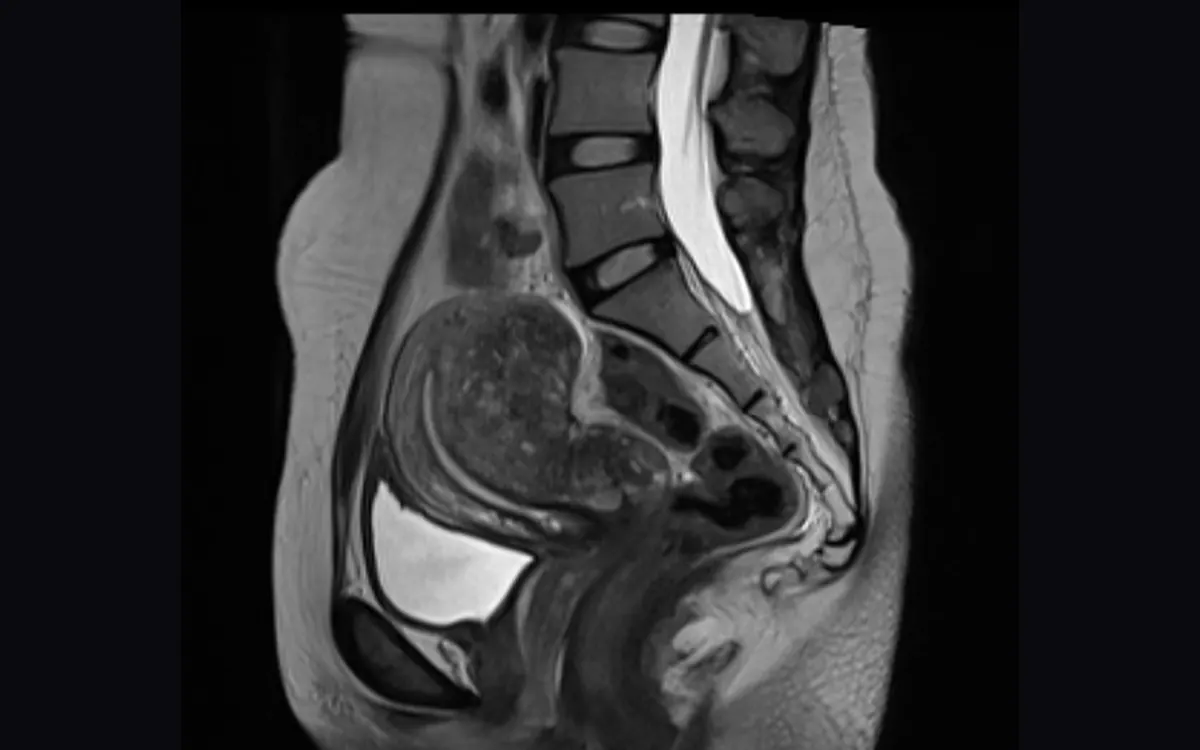
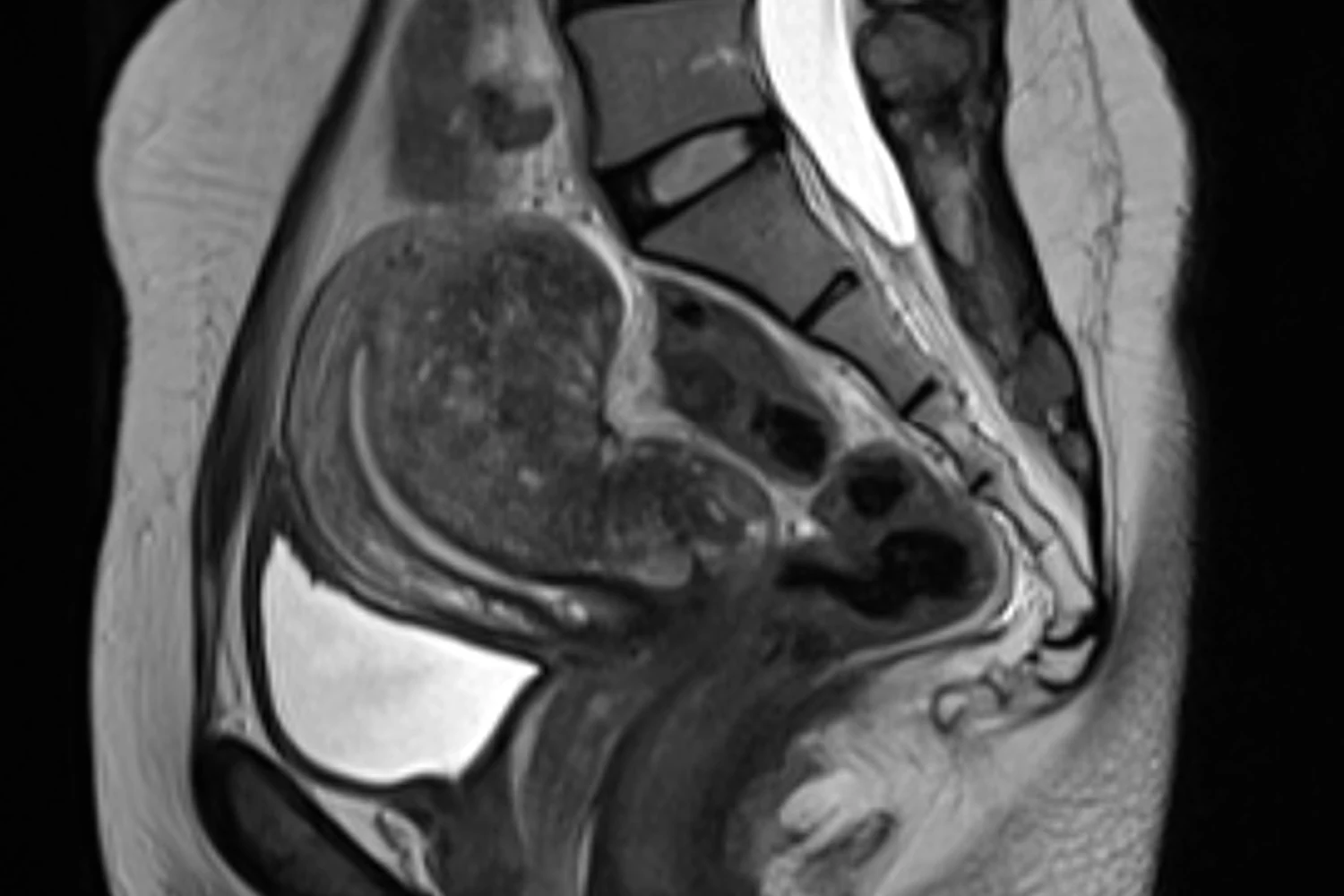
Modern surgery lacks a computational representation of soft-tissue anatomy suitable for decision-making at the point of intervention. Surgeons reconstruct complex procedures from 2D MRI slices that collapse 3D anatomy and obscure disease boundaries. This workflow has persisted not because it is sufficient, but because no alternative representation has existed.

Modeling deformable anatomy

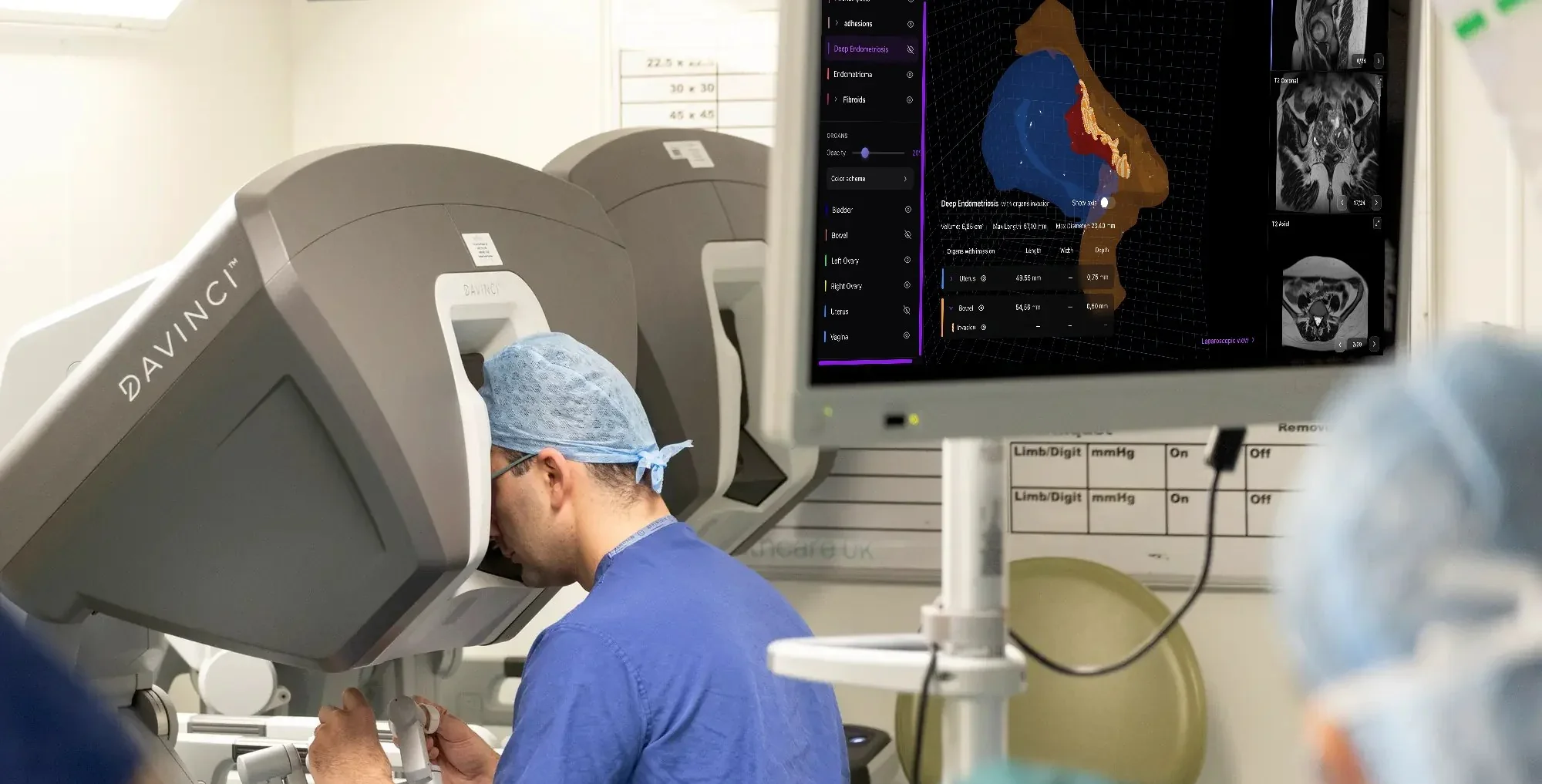
Soft-tissue surgery presents a fundamentally different modeling problem than rigid anatomy. Organs move, deform, and blend. The pelvis is among the most complex regions. Over 30 organs, nerves, and vessels interleaved in a confined space. Diseases like endometriosis, fibroids, and gynecologic cancers evade conventional imaging. Few specialists can reliably interpret the data. 40% of readings miss or mischaracterize disease. The workflow relies on mental reconstruction. Surgical surprises remain the norm. One in five soft-tissue surgeries results in preventable failure, despite the use of advanced robotics. This is not an imaging problem. It is a representation problem. Building foundation models for this domain requires fusing heterogeneous data. Preoperative scans. Intraoperative video. Surgical findings. These are compressed into a unified latent space. The output is a model. Interactive. Queryable. Capable of reasoning over patient-specific anatomy.

The anatomical graph

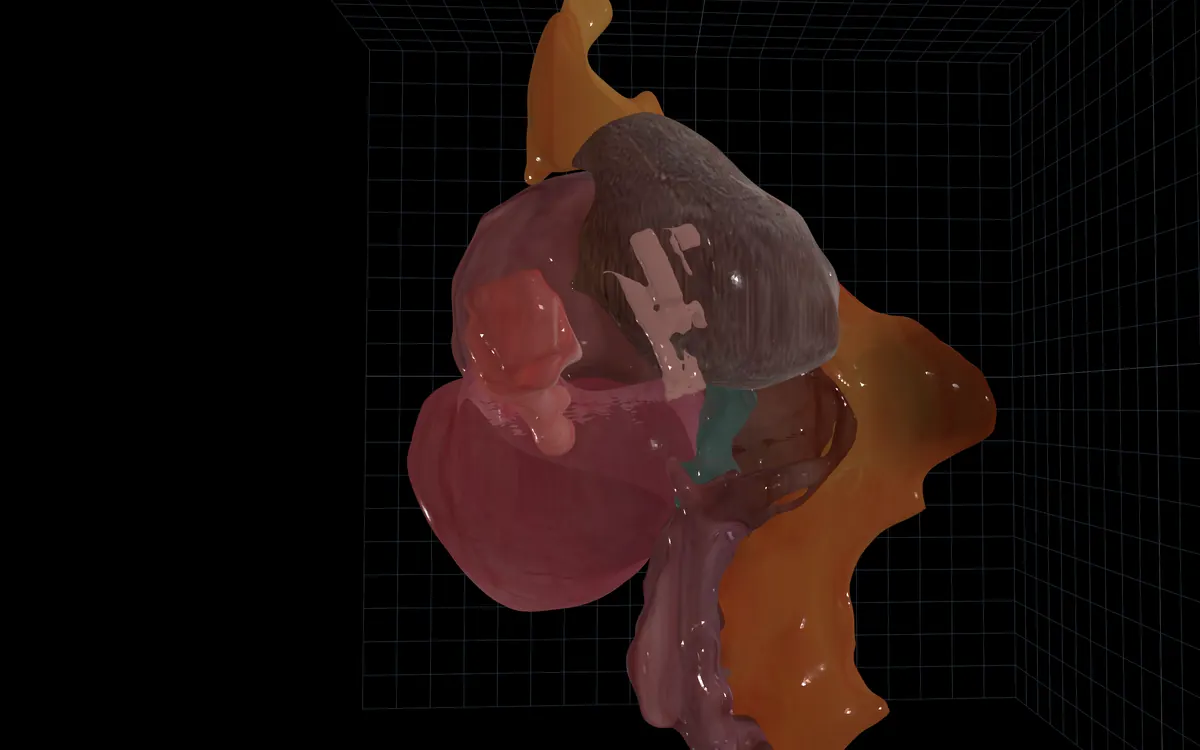
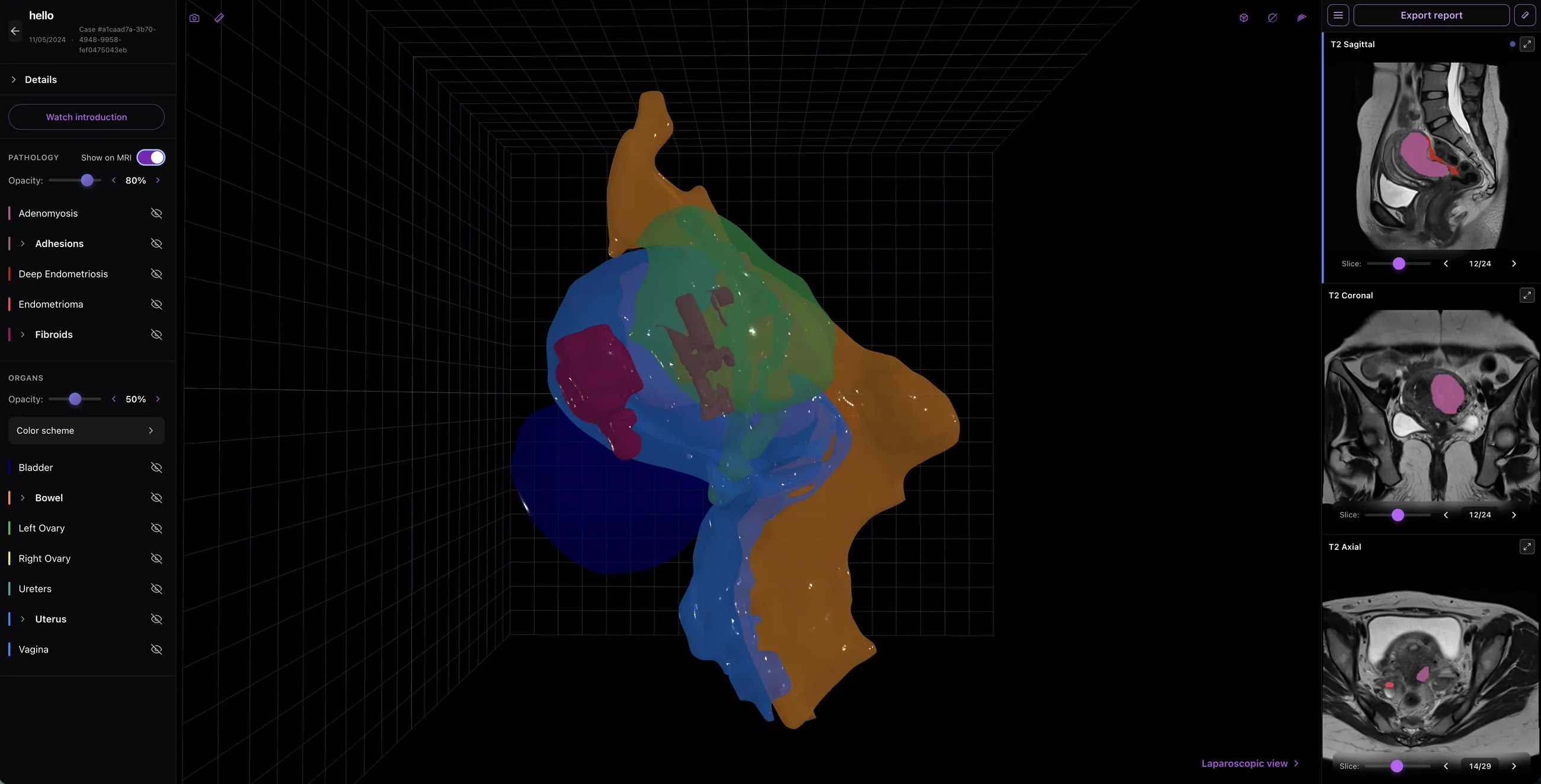
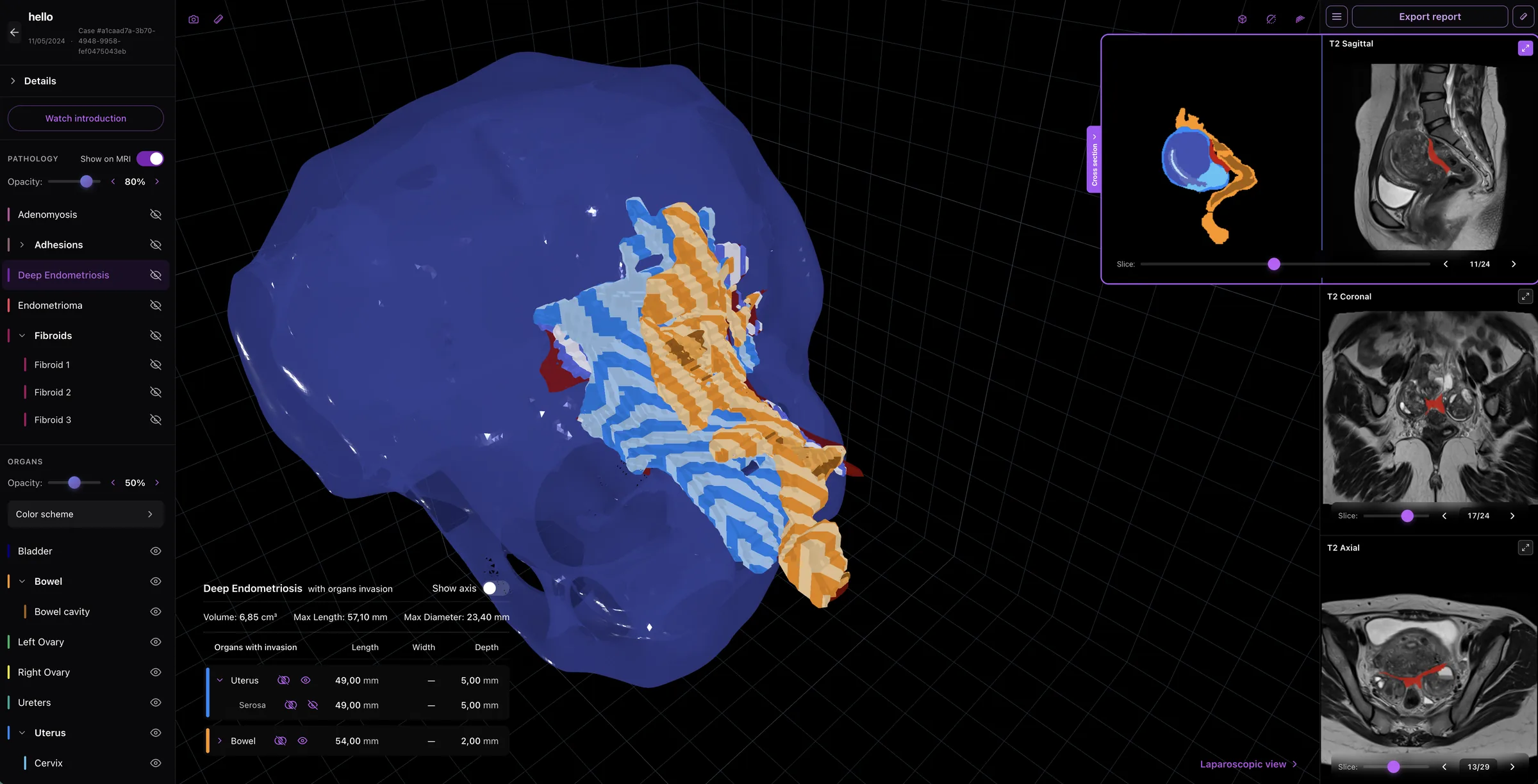
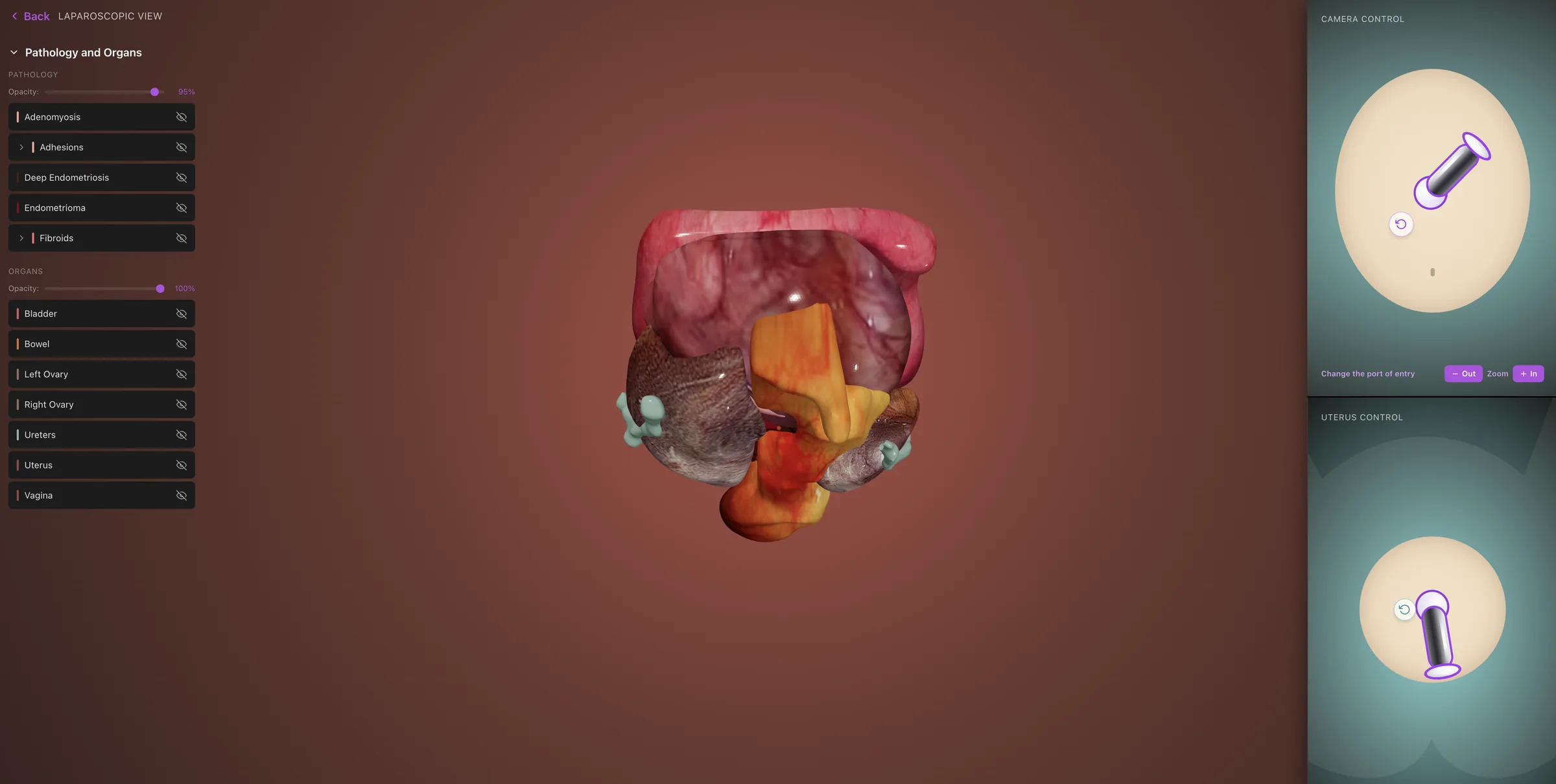
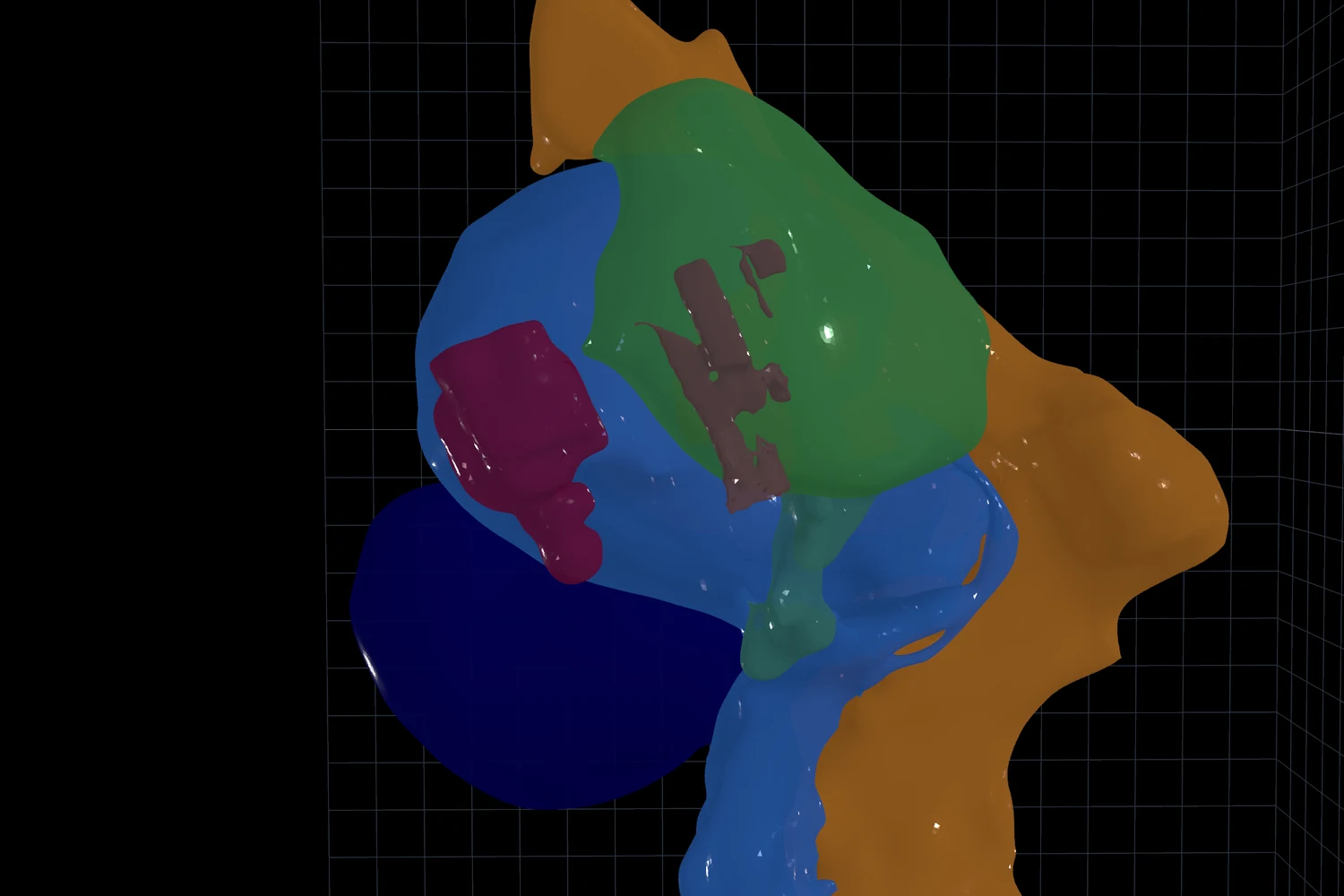
XENA constructs a patient-specific anatomical graph in 3D. Organs, disease, and surgical planes are modeled as relational structures rather than flat images. These representations encode spatial extent and adjacency, allowing the system to reason about anatomy as it exists in the patient, from preoperative planning through intraoperative decision-making to postoperative confirmation.

Our first model for gynecologic disease

PELV-1.2 focuses on endometriosis and fibroids. It generates patient-specific 3D anatomical models with disease location and extent mapped across organs. Multi-disease, multi-organ, trained on 50,000 annotated MRI volumes. Segmentation accuracy: 0.87 DICE score across organs. The model was evaluated against surgical ground truth. What the surgeon finds when they open the patient. This is the only benchmark that matters. 91% accuracy in disease extent mapping. What the model showed matched what the surgeon found. 43% of surgeons revised their surgical plans after reviewing the model. Disease extent consistently exceeded what standard 2D imaging suggested.

Team

XENA is built by Czuee Morey, Deepali Godbole, and Mo Taha - healthcare researchers, engineers, and physicists who have developed and deployed FDA and C cleared diagnostic and robotic systems in clinical care. Our Chief Medical Officer is Dr. Kurian Thott (Chief of OB/GYN, Mary Washington Healthcare). Clinical advisors include Dr. David Klein (UC San Diego Health), Dr. Marc Winter (Orange Coast Women's Medical Group), and Prof. Dr. Stefan Fichtner-Feigl (Chair of Surgery, University of Freiburg). XENA is backed by Techstars Berlin.

Clinical partners

XENA is piloting at in clinical pilots at 8 institutions.

The intelligence layer

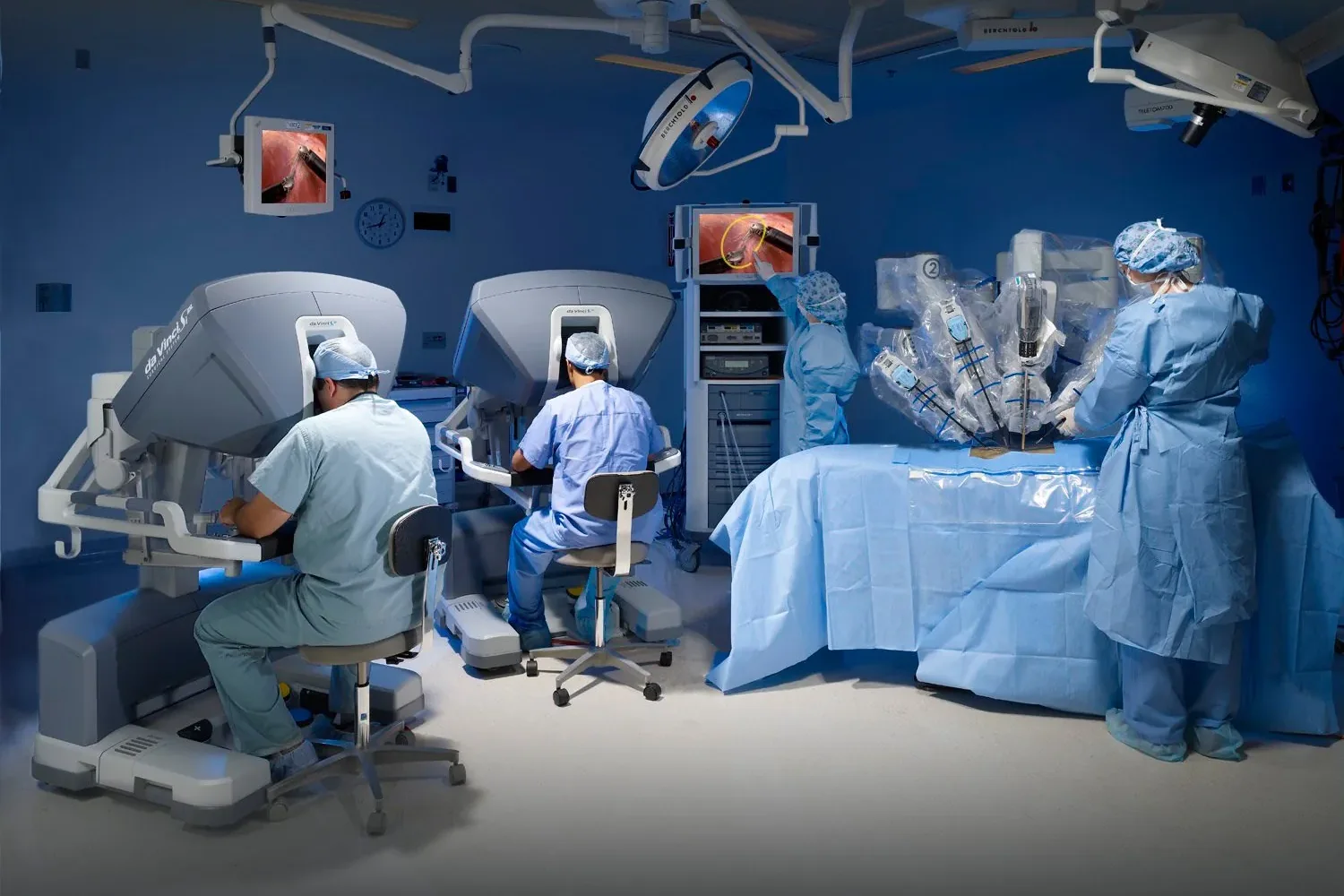
Surgical robotics systems execute with precision but do not understand anatomy. Automation without spatial intelligence is brittle.

XENA provides the representational layer required to support reliable augmentation today and autonomy in the future. Better representations lead to better decisions. Better decisions lead to fewer complications, shorter recoveries, and surgeries that succeed the first time.

Error. Your form has not been submittedEmoji
This is what the server says:
There must be an @ at the beginning.
I will retry
Reply
Built on Unicorn Platform